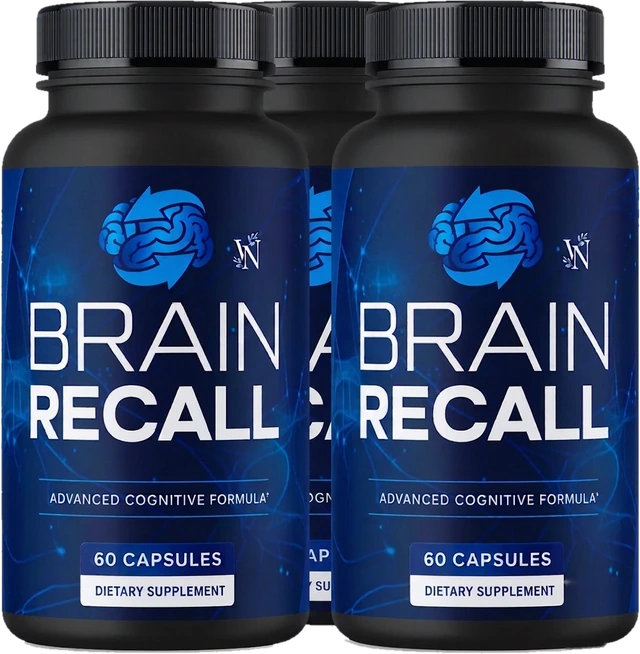
Starting a habit is easy; keeping it going is the real craft. A daily dietary supplement works best when it becomes part of the furniture of your day, as automatic as brushing your teeth or locking the front door. This guide shares practical tips for building that kind of consistency, using Brain Recall as the example, and keeps everything friendly, simple and low-pressure.
Attach it to something you already do
Habit researchers often call this stacking: a new action rides on an existing one. If you pour coffee every morning, set the bottle next to the mug. If you read the paper at breakfast, keep it beside the paper. The old habit becomes the reminder for the new one.
Pick the cue that is most dependable. Breakfast usually beats mid-afternoon because it happens in the same place and at nearly the same time almost every day.
Evenings can work for some households, especially if dinner is a firm fixture. The choice matters less than the repetition. Experiment for the first week or two, then settle on the slot that feels the most natural and stick with it.
Make it visible and easy
Out of sight is out of mind. Place the bottle where your eyes land during your routine, whether that is the kitchen counter, a breakfast tray or the top of the dresser. Keep a glass of water close, so the step takes only a moment.
Some people like a small dish or a labeled shelf. The goal is to remove friction, so doing the habit is easier than skipping it.
Keep your cue free of clutter. A crowded counter makes the bottle easy to miss, so clear a small spot for it and keep that spot sacred. A tray with your glasses, a water cup and the bottle makes a tidy morning station.
- Keep the bottle on the counter, not in a cupboard
- Pair it with a glass of water
- Return the bottle to the same spot each time
- Store a spare near your travel bag
Always follow the label
Whatever your routine looks like, the directions on the bottle are your guide. Brain Recall is a daily dietary supplement in capsule form for adults, with the full Supplement Facts panel printed on the label. Read it once, then let your cue do the remembering. If you want a deeper walk-through, our article on what Brain Recall is covers the basics.
For general background on dietary supplements, the NIH Office of Dietary Supplements and the FDA dietary supplements page offer plain-language reading.
Track it gently
A wall calendar with a simple check mark takes seconds. Some people prefer a weekly planner page, others a line in a journal. The point is not perfection but a visual streak that feels good to continue.
If you miss a day, simply continue the next morning. Habits grow through repetition over weeks, and one skipped day is not a reason to stop.
For those who like numbers, a monthly calendar page with a star for each day makes a pleasing record. Hang it on the refrigerator where the whole household can see. Kids and grandchildren often enjoy adding the stars themselves.
Prepare for changes in routine
Weekends, holidays and visits from family can shift the order of the day. Decide in advance where the bottle will go when things change, and keep a reminder on your phone for the first few days. Our guide to travel routines for staying consistent gives more ideas for trips.
Sharing the plan with a partner or friend can help too. Two people on similar routines can nudge each other with a quick comment over breakfast.
If your schedule includes shifts, golf mornings or early gardening hours, tie the habit to the first meal you eat instead of a clock time. The meal is the cue, and it moves naturally with your day.
Give it a fair trial
Consistency is what lets you judge whether a routine suits you. That is why the 60-day money-back guarantee is reassuring: it gives you time to build the habit and see how the routine feels in daily life. If you are ready to begin, you can order Brain Recall today.
Read more about packs and pricing in our pricing overview, then choose the option that suits your household. Keep it simple, keep it visible, and let the cue do the work.
Celebrate small milestones with something simple, like a favorite coffee or a new book. Positive rewards make routines feel pleasant rather than demanding, and a pleasant routine is far easier to sustain for the long term.